
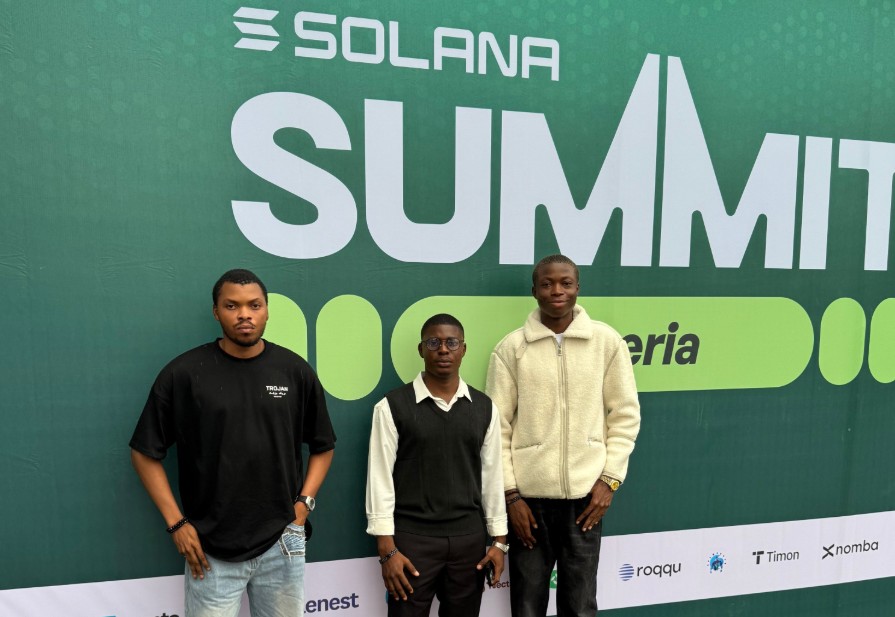
The conversation around blockchain in Nigeria appears to be entering a new phase. At the second edition of Solana Summit Nigeria, held in Uyo on August 8, the focus was less on blockchain as an emerging technology and more on what developers, founders and communities are actually building with it.
Organised by Superteam Nigeria, the summit brought together participants from across the ecosystem for conversations around the next generation of onchain finance, digital products and what the organisers describe as the emerging Internet Capital Markets.
The choice of Uyo was notable. Rather than concentrating another major technology gathering in Lagos or Abuja, the summit brought the conversation to Akwa Ibom, reinforcing a broader shift within Nigeria’s technology ecosystem: talent and innovation are increasingly being developed across multiple cities rather than concentrated in the country’s traditional technology hubs.
From participation to building
Perhaps the most significant takeaway from the summit was the emphasis on builders.
Nigeria’s blockchain conversation has historically attracted attention around cryptocurrency adoption, trading and digital assets. But the country’s developer and startup communities are increasingly interested in the infrastructure and applications being built around blockchain technology.
That distinction matters.
A growing ecosystem cannot be measured only by the number of people attending events or discussing digital assets online. It is also measured by the number of developers building products, founders creating businesses, communities developing talent and investors looking for practical applications.
That is where events such as the Solana Summit become particularly relevant.
Superteam Nigeria has increasingly positioned its community around grants, hackathons, bounties, developer programmes and other pathways that connect Nigerian talent with opportunities within the wider Solana ecosystem. Its own 2026 ecosystem updates have highlighted growing hackathon participation, grants and products being developed by Nigerian builders.
A community getting more organised
The development of Nigeria’s Solana community also points to something larger happening within the country’s technology landscape.
There is now a growing network of developer communities, creator groups, startup programmes and educational initiatives operating around blockchain infrastructure.
Earlier ecosystem activity in Nigeria has included developer programmes, community events, creator initiatives and regional engagements designed to bring more people into the technology. Solana’s broader ecosystem reporting has similarly highlighted the expansion of education programmes, builder communities and regional initiatives across different markets.
This matters because technology ecosystems rarely become sustainable through a single event or company. They grow when knowledge, talent, capital and communities begin to connect.
Nigeria already has a large technology talent pool. The opportunity for blockchain is to create more pathways through which that talent can move from learning to building and eventually to commercialising products.
Why the Internet Capital Markets conversation matters
The summit’s theme, “From Earn to Internet Capital Markets,” also reflects the changing language of the industry.
The conversation is gradually moving towards how blockchain infrastructure can support financial products, digital ownership, payments and new forms of capital formation.
That shift is particularly relevant for Africa, where traditional financial infrastructure does not always serve consumers and businesses efficiently.
Stablecoins, tokenisation and blockchain based financial applications are increasingly being explored as potential components of the continent’s digital economy. Within Nigeria, where technology entrepreneurs have already built businesses around payments and financial services, the next opportunity may be to apply similar entrepreneurial energy to blockchain based infrastructure.
Uyo becomes part of the story
The decision to host the summit in Uyo may ultimately prove as important as the conversations on stage.
Nigeria’s technology ecosystem has often been narrated through Lagos, with Abuja and a handful of other cities occasionally taking centre stage. But the emergence of developer and technology communities outside these traditional hubs suggests that the country’s innovation story is becoming more geographically diverse.
For Akwa Ibom, hosting an event that attracted participants from across the blockchain ecosystem offered an opportunity to demonstrate that the state’s technology ambitions can extend beyond conventional sectors.
For the wider ecosystem, it provided another reminder that the next generation of Nigerian builders may not necessarily come from the usual places.
Beyond the event
The real measure of Solana Summit Nigeria will not be the conversations generated during the event or the attention it received online.
It will be what happens afterwards.
Will developers turn ideas discussed at the summit into products? Will founders find partners and capital? Will more young people gain practical technical skills? Will communities outside Lagos continue to receive resources and opportunities?
Those outcomes will determine whether the summit becomes another event on Nigeria’s increasingly crowded technology calendar or part of a longer term effort to build a deeper innovation ecosystem.
For now, however, the gathering offered a useful snapshot of where Nigeria’s blockchain community appears to be heading: away from simply talking about the technology and towards building with it.