

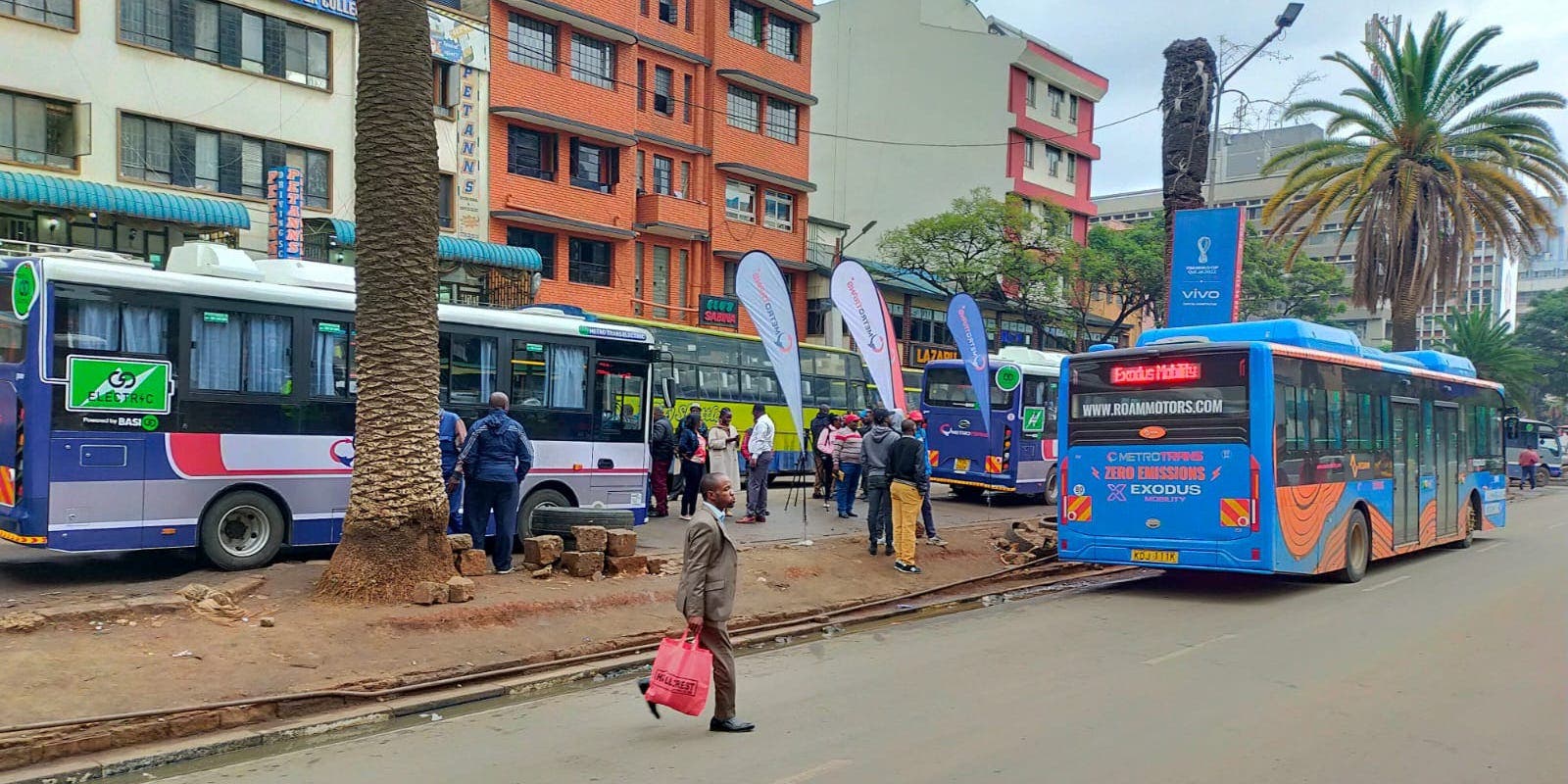
Africa’s informal transit system moves millions of people daily, yet it largely operates without digital coordination, predictable scheduling, or structured revenue models. Kenyan startup Exodus Mobility is building the operating infrastructure designed to bring order, transparency, and reliability to that fragmented ecosystem — without displacing the operators who power it.
Founded in 2022, Exodus Mobility is positioning itself not as a transport company, but as a neutral operating layer for informal mass transit — starting in Kenya and expanding into other major African cities.
Not Fleet Ownership — Infrastructure
Exodus does not own buses or matatus. Instead, it aggregates structured passenger demand — including commuters, schools, corporates, and event organisers — and connects that demand to vetted vehicle operators through a digital platform.
“Rather than owning vehicles, Exodus works with existing operators and transforms fragmented, cash-based transport into structured, prepaid, and reliable services,” said Kikonde Mwatela, the startup’s CEO.
Its platform manages:
• Operator onboarding
• Vehicle validation
• Demand aggregation
• Digital scheduling
• Prepaid ticketing
• Access control
• Real-time operational oversight
The model is asset-light — but operationally heavy.
The Core Problem: Informality at Scale
Africa’s informal transport networks move the majority of urban commuters. However, they often lack:
• Standardised safety oversight
• Reliable timetables
• Aggregated demand visibility
• Digital payments
• Data infrastructure
“Africa’s informal transport system moves the majority of urban commuters but operates without reliable scheduling, safety standards, predictable revenue, or digital infrastructure. Passengers face uncertainty and risk, while operators rely on volatile daily cash flows with no access to aggregated demand or data,” said Mwatela.
Exodus identified the absence of what it describes as a “neutral, asset-light operating layer” that could bridge informal supply with structured demand.
“This gap – between informal operators and structured mobility demand – became the foundation for the company,” Mwatela said.
Two Business Lines, One Infrastructure Layer
Exodus operates across two main verticals:
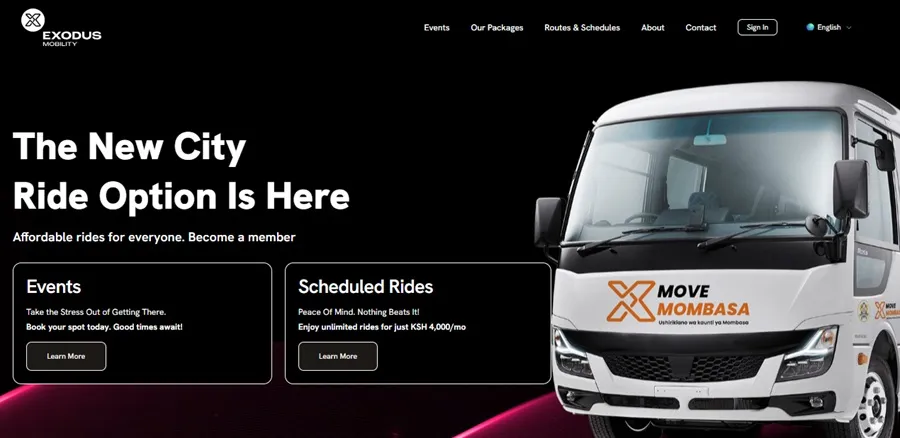
1️⃣ Subscription-Based Scheduled Transport
Serving recurring commuters, institutions, and corporate clients through predictable, prepaid transport services.
2️⃣ Event & Experience Shuttle Orchestration
Providing end-to-end shuttle coordination for conferences, festivals, and large-scale gatherings.
Revenue comes from:
• Subscription fees
• Service fees for event transport
• Platform margins from aggregated demand
“The platform earns a margin by aggregating demand, pricing services upfront, and paying operators per trip, while retaining a platform and operations fee,” said Mwatela.
Traction: 16,000 Trips in Four Months
The company says it powered over 16,000 trips in the last four months, supported by repeat usage and partner referrals.
“We have executed a PPP pilot with Mombasa County for scheduled mass transit, and achieved product–market fit across subscription and event transport,” said Mwatela.
Both the Mombasa service and event-based deployments have reportedly experienced oversubscription — an early indicator that structured demand may be outpacing available supply.
Exodus has participated in the 500 Global Sustainable Innovation Seed Accelerator, strengthening its product development, unit economics validation, and fundraising readiness.
The startup is funded through founder capital, angel investment, and operating revenue.
Expansion Beyond Kenya
Currently active in Nairobi and Mombasa, Exodus plans to expand into Johannesburg and Cape Town — cities with similar informal transport dynamics.
The expansion model remains partnership-driven rather than asset-intensive, preserving capital efficiency while enabling scalability.
The Bigger Infrastructure Thesis
Urbanisation across Africa is accelerating. Informal transport systems are unlikely to disappear — but they may evolve.
Exodus is betting that the future of African mobility will not be built on replacing informal operators, but on structuring them.
Its challenge is not just technological — it is systemic.
“This has required patient, long-term capital, deep alignment with informal transport operators, and close collaboration with public-sector stakeholders within evolving policy environments,” said Mwatela.
If successful, Exodus Mobility could become more than a transport startup.
It could become a digital infrastructure layer for Africa’s informal transit economy.