

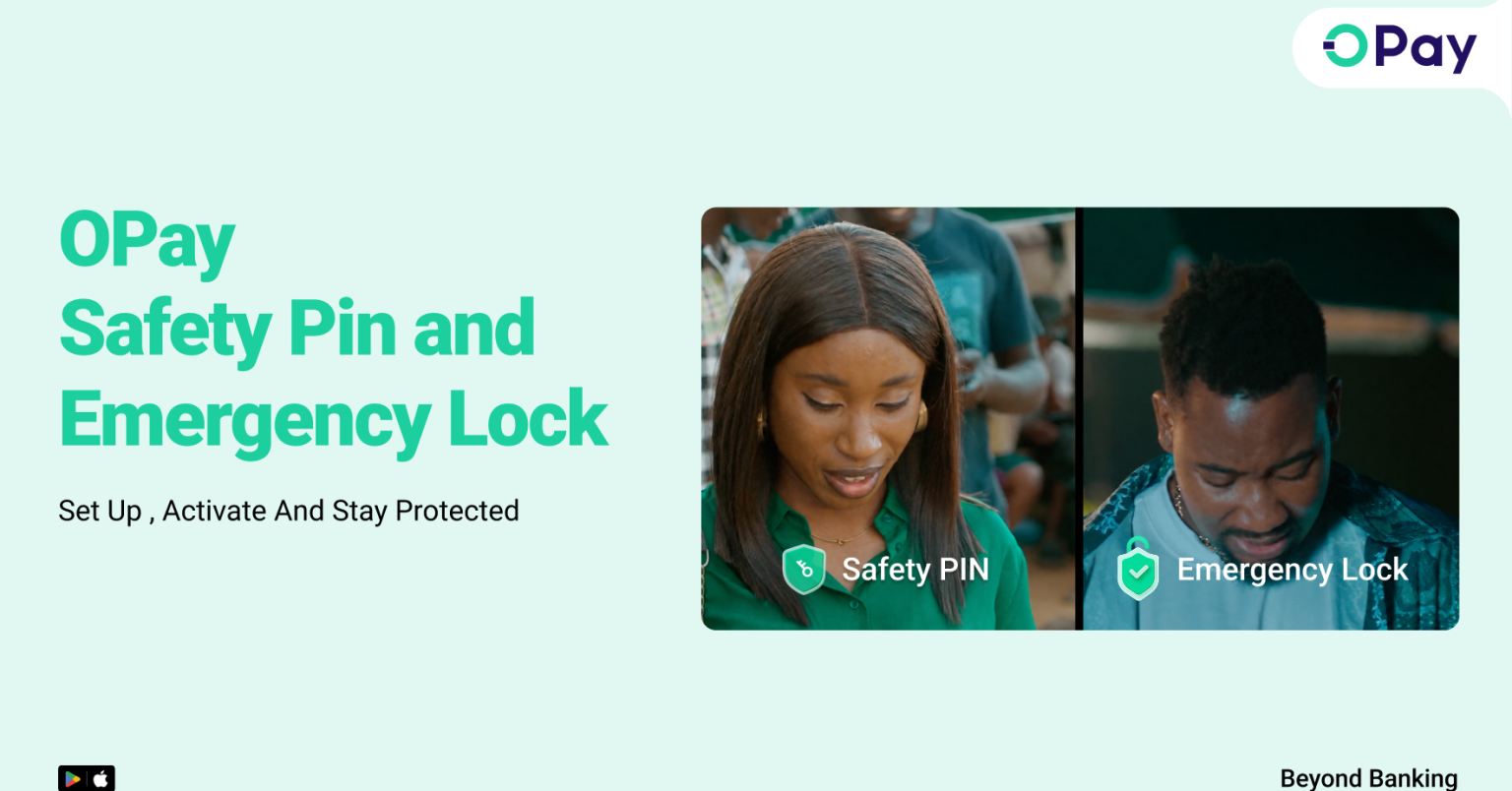
As digital fraud continues to evolve across Nigeria, prevention is becoming just as important as recovery. OPay is shifting its security strategy in that direction with the introduction of two new in-app features, Emergency Lock and Safety PIN, designed to help customers stop fraudulent transactions before money leaves their accounts.
Rather than focusing solely on resolving fraud after it happens, the fintech is giving users tools to respond instantly during high-risk situations such as phone theft, suspicious account activity, robbery, or attempted account compromise.
The move reflects a broader shift across the digital payments industry, where financial platforms are investing more heavily in real-time customer protection as fraud tactics become increasingly sophisticated.
Why OPay’s new security features matter
1. Fraud prevention instead of fraud recovery
Traditional fraud response often begins after unauthorised transactions have already taken place. OPay’s Emergency Lock and Safety PIN are designed to intervene earlier, allowing customers to protect their accounts before funds are transferred.
This proactive approach could significantly reduce the financial and emotional impact of fraud for many users.
2. Customers can freeze their accounts instantly
The Emergency Lock feature allows users to immediately freeze their OPay account whenever they believe it has been compromised. Whether a phone has been stolen, suspicious activity is detected, or a customer simply feels their account may be at risk, activating Emergency Lock prevents all outgoing transactions during the freeze period.
This immediate response helps minimise the opportunity for fraudsters to access funds.
3. Protection during forced transactions
One of the standout additions is the Safety PIN, which addresses a growing concern among digital banking users. The feature is intended for situations where customers may be under pressure or being forced to complete a transaction. Instead of confronting an attacker or drawing attention to themselves, users can enter their Safety PIN, providing an additional layer of personal and financial protection during a dangerous situation.
As incidents involving forced mobile transfers continue to make headlines, features like this represent an important evolution in fintech security.
4. More confidence in digital payments
Security plays a major role in customer trust. By giving users tools they can activate immediately during emergencies, OPay aims to make everyday digital transactions feel safer, whether customers are sending money, paying bills, shopping online, or managing their finances through the app.
Greater confidence in digital payments could also encourage wider adoption of cashless services.
5. Built around Nigeria’s everyday security realities
Nigeria’s growing digital economy has brought enormous convenience, but it has also exposed users to risks including phone theft, account compromise, social engineering attacks, and forced transfers.
OPay says both Emergency Lock and Safety PIN were developed to address these real-life challenges, providing practical protection that aligns with how Nigerians live, work, and transact.
6. A stronger focus on customer-first security
Beyond introducing new features, the launch signals OPay’s broader commitment to strengthening customer security. As fintech adoption continues to rise across Nigeria, platforms are increasingly competing not only on speed and convenience but also on how effectively they protect customers from emerging fraud threats.
For users, security is no longer just a backend feature. It is becoming a key part of the digital banking experience.
Why this matters
Nigeria has witnessed rapid growth in digital payments over the past few years, bringing millions of people into the formal financial system. However, that growth has also made fraud prevention a top priority for both financial institutions and customers. With Emergency Lock and Safety PIN, OPay is positioning itself to address one of the biggest concerns among digital payment users: the ability to take immediate action before fraud occurs rather than waiting to recover lost funds afterward.
As financial crime becomes more sophisticated, preventative security tools like these could become an industry standard rather than an optional feature.
Fintech
6 New Ways OPay’s New Security Push Could Change How Nigerians Respond to Fraud
Related Post