
Nigeria’s fuel stations may be on the verge of becoming one of the country’s most unexpected fintech growth opportunities. As digital payments continue to reshape how Nigerians transact, a new transformation is emerging beyond banking apps and ecommerce platforms, one that could redefine how fuel stations operate and generate value.
At the NNPC Retail Business Transformation Summit 2026, Interswitch unveiled its Digital Forecourt Suite, a platform designed to help fuel stations digitise payments, automate operations, and gain greater visibility into their day-to-day business performance. While the announcement may appear to be another payment innovation, it signals something much bigger: the gradual evolution of fuel stations into digital commerce hubs.
For years, fuel retail in Nigeria remained largely disconnected from the broader digital economy. Many stations relied on fragmented systems where payment processing, inventory management, reconciliation, and operational reporting operated independently. This often resulted in delayed reconciliations, limited visibility into business performance, and operational inefficiencies that persisted across the sector.
However, consumer behaviour has changed dramatically.
Today’s customers transfer money instantly, shop online, book transportation digitally, and increasingly expect the same level of convenience when purchasing fuel. As these expectations grow, fuel station operators are under pressure to modernise not only how they accept payments but also how they manage their businesses.
Beyond Payments
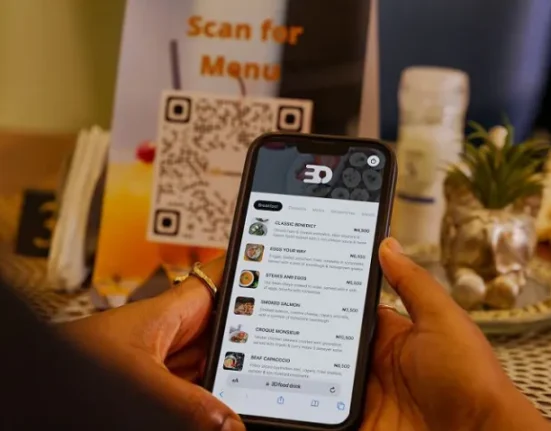
At the centre of Interswitch’s Digital Forecourt Suite is its “Pay As You Want” capability, allowing customers to pay through cards, transfers, USSD, QR codes, wallets, and contactless payment options.
Yet the real innovation extends beyond payment acceptance.
The platform integrates payment processing directly into station management infrastructure, connecting transactions with inventory tracking, reconciliation processes, reporting tools, shift management, and dealer dashboards. Instead of operating multiple disconnected systems, fuel station operators can potentially manage key aspects of their businesses through a single connected environment.
This approach reflects a broader trend shaping digital transformation globally. Increasingly, businesses are moving away from standalone technology solutions and adopting integrated systems that combine operational management with financial services.
The Financial Data Advantage
One of the most significant opportunities emerging from fuel station digitisation may be access to financial services.
Across many sectors, access to formal financing often depends on the availability of verifiable business data. For fuel dealers operating in cash-heavy environments, limited transaction records can make it difficult to demonstrate business performance to lenders.
As more transactions move into digital ecosystems, operators generate richer financial histories that can provide greater visibility into revenue patterns, transaction volumes, and operational performance.
This digital footprint could eventually strengthen relationships between fuel dealers and financial institutions, potentially improving access to credit facilities, expansion funding, and other financial products.
In many ways, digital infrastructure is becoming a bridge between business operations and financial inclusion.
Fuel Stations as Commerce Platforms
The long term implication extends beyond fuel sales.
Globally, fuel stations are increasingly evolving into convenience retail destinations that combine fuel, food, financial services, logistics, and digital commerce. As digital infrastructure becomes embedded within station operations, Nigerian fuel retailers may also be positioned to unlock new revenue opportunities beyond traditional fuel dispensing.
The integration of payments, operational intelligence, and customer data creates the foundation for additional services that could generate value for both operators and consumers.
For fintech companies, this represents a new frontier for growth. Rather than focusing solely on consumer-facing applications, the next wave of innovation may involve embedding financial technology directly into industry-specific operational environments.
A Bigger Shift in Nigeria’s Digital Economy
The transformation happening within Nigeria’s downstream petroleum sector reflects a wider evolution across the country’s digital economy.
Over the last decade, fintech companies changed how Nigerians move money. The next chapter may involve integrating those capabilities into physical industries such as transportation, healthcare, public services, agriculture, and energy retail.
Viewed through that lens, Interswitch’s Digital Forecourt Suite is not simply a fuel station solution. It is part of a larger movement toward connected business infrastructure where payments, operational intelligence, and financial services converge.
As digital adoption deepens across traditionally offline sectors, fuel stations could emerge as one of the most overlooked beneficiaries of Nigeria’s fintech revolution.