
Gold has historically carried more than financial value. For thousands of years, gold functioned not only as a financial instrument but also as a symbol of political power, national wealth, and stability during periods of economic uncertainty. But while gold’s status has endured, owning it directly remains complicated, still dependent on a complex chain of sourcing, authentication, storage, custody, insurance, and resale. For many investors, that creates friction around access and trust.
That gap is where tokenization is starting to gain traction. While digital wallets have made trading stocks, funds, and cryptocurrencies instant, physical commodities, such as gold, have been harder to access, verify, and transfer directly. A new partnership between mb.io, the crypto arm of MultiBank Group, Kings Orbis, EON3 Group Ghana Ltd, and Mavryk is attempting to modernize that process by bringing physically backed West African gold onchain. The collaboration combines mb.io’s regulated marketplace, King Orbis’ program structure, EON3’s gold supply, and Mavryk’s blockchain infrastructure.
The initiative is designed to make gold easier to buy, trade, and transfer digitally while tying ownership to verified physical reserves. Under this structure, the gold will be sourced through EON3 Group Ghana Ltd and structured by Kings Orbis to ensure that each token is backed by verified gold. The gold will then be vaulted in Dubai under LBMA-approved custody, and supported by a regulated marketplace through mb.io RWA, with blockchain infrastructure by Mavryk.
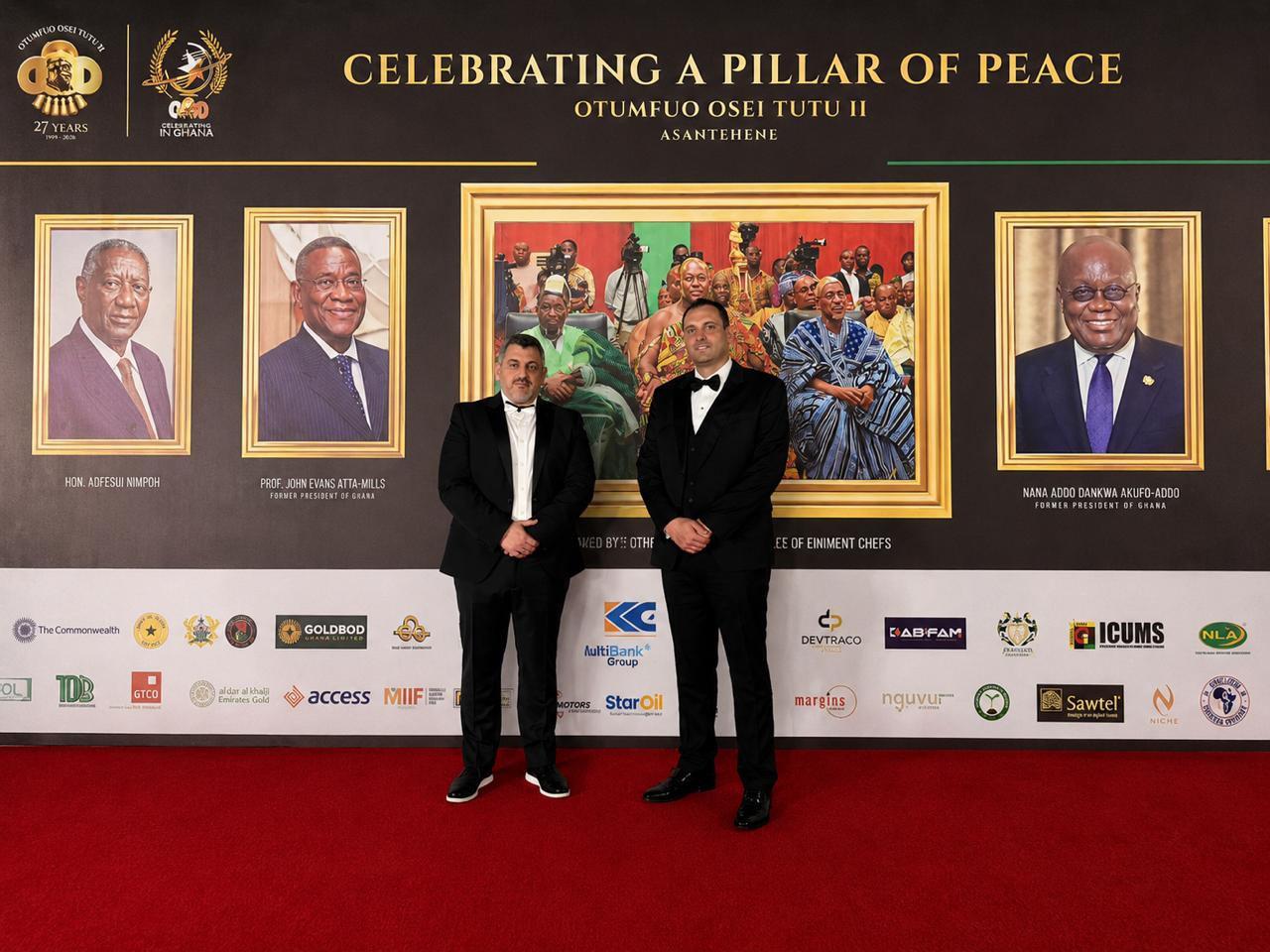
The choice of Ghana is not incidental. Once known as the Gold Coast, Ghana has been one of the world’s most historically significant gold-producing regions for centuries. The Ashanti Kingdom, one of West Africa’s most influential pre-colonial powers, helped build gold trade networks that extended across the region. In recent years, looted Asante gold artifacts have been returned to Ghana from the UK and South Africa, with many describing the pieces as part of the nation’s “soul” because of their cultural and spiritual importance. That significance raises the standard for how these artifacts are authenticated, validated, and brought onchain.
As tokenization expands into commodities, private credit, and other real-world assets, projects tied to physical infrastructure are likely to face greater scrutiny than purely digital financial products. In that environment, the challenge is no longer simply putting assets onchain, but building systems capable of connecting blockchain markets with the verification standards that traditional financial markets already require. This is where Mavryk’s role as a Layer-1 blockchain becomes central, as it provides the architecture needed to issue, trade, and manage tokenized gold within a framework designed specifically for transparency, compliance, and asset verification.
For most investors, tokenization changes what is within reach. Assets once locked behind geographic or institutional barriers can now be split, traded, and accessed across digital markets. If centuries of Ghanaian gold can move onchain while remaining tied to verified supply and custody, it suggests a new phase of digital finance, one where investors gain access to a wider pool of assets without losing the safeguards that make those assets worth owning.
Techmoni Africa tracks the Fintech, Web3, and Forex stories defining Nigeria, Kenya, and Ghana. Have a story that deserves attention? Reach our editorial team at info@techmoniafrica.com
