
XMesh, a connectivity startup developing a blockchain-powered internet-sharing solution, is piloting its technology at two Nigerian schools, exploring a model that allows internet subscribers to sell access to nearby users and earn income from their connections, according to an interview with Disrupt Africa.
The startup’s XOneFi solution enables individuals and businesses with existing internet connections to become local connectivity providers. Through an internet-enabled router, providers can set prices for access, while nearby users pay according to the time they spend online or the amount of data they consume.
In the interview, XMesh founder Benjamin Yan said the idea emerged from his experience travelling to remote areas with Starlink. He noticed that people around him also needed internet access, but there was no straightforward way to share his connection and charge users for their consumption.
How blockchain powers the internet-sharing model
Under the XOneFi system, a provider purchases an upstream internet connection and installs an XOneFi-enabled router. The provider sets a price, and nearby customers can discover the network through their phones or computers before purchasing access.
The router’s firmware tracks usage and automatically transfers payments from customers to providers, according to Yan.
Blockchain serves as the accounting and payment layer for transactions between independent providers and customers who may not know one another. Yan said the technology provides transparent, tamper-resistant usage records and enables micropayments.
Rather than requiring users to purchase a large data bundle upfront, the system is designed to support smaller payments based on actual usage.
Providers can adjust their prices according to their own internet costs, while customers can review the rates before connecting.
Nigerian schools are the first testing ground
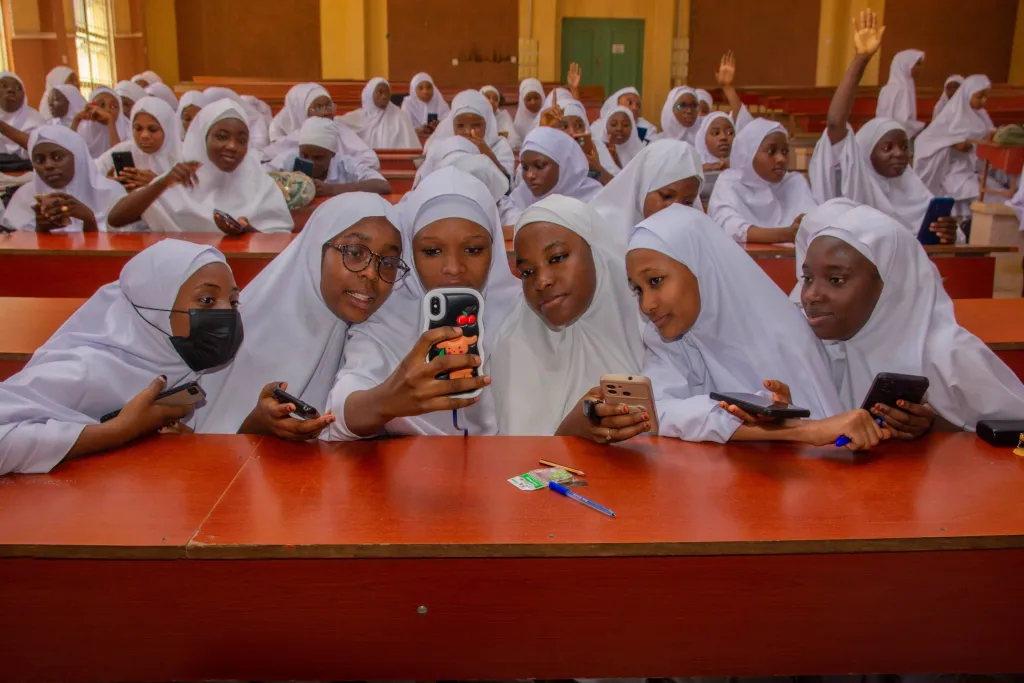
XMesh is currently running pilot projects at two Nigerian schools, with plans to extend the model to community centres and business centres, Yan told Disrupt Africa.
He said school administrators had raised concerns about unreliable connections and low data speeds, which can prevent students and teachers from sustaining video calls, streaming educational content and accessing resources for coding and other digital skills.
Nigeria was selected for the pilot because of its large young population and growing interest in opportunities within the digital economy, according to Yan.
The company has not disclosed the number of students covered by the pilots, the internet speeds achieved, the cost of access or the revenue generated by participating providers.
These figures will be important in assessing whether the model can deliver affordable connectivity while offering providers a commercially sustainable source of income.
UNICEF-backed programme supports blockchain startups
XMesh is supported through UNICEF Office of Innovation’s Blockchain Ventures programme, which provides funding and technical assistance to emerging-market startups developing blockchain-based solutions. The programme is supported by the Ethereum Foundation and GSR Foundation.
The initiative explores how blockchain technology can address practical challenges in emerging markets, including access to financial services and digital infrastructure.
For XMesh, the longer-term ambition is to create a network of locally operated access points through which individuals can earn income by reselling internet access and reinvest in better equipment and connectivity.
Yan said users should ultimately be able to find an affordable connection without needing to know whether it is delivered through fibre, mobile networks or satellite technology.
However, expanding the model will depend on factors including the cost and reliability of upstream internet connections, the availability of suitable hardware, customer demand and the economics of small-value payments.
If the Nigerian pilots demonstrate that providers can offer reliable access at prices customers can afford, XOneFi could offer an alternative way to extend connectivity within schools and communities. For now, its wider impact will depend on the results of the ongoing trials.
Techmoni Africa tracks the Fintech, Web3, and Forex stories defining Nigeria, Kenya, and Ghana. We also run press distribution for Fintech and crypto brands across Africa. Have a story that deserves attention? Reach our editorial team at info@techmoniafrica.com